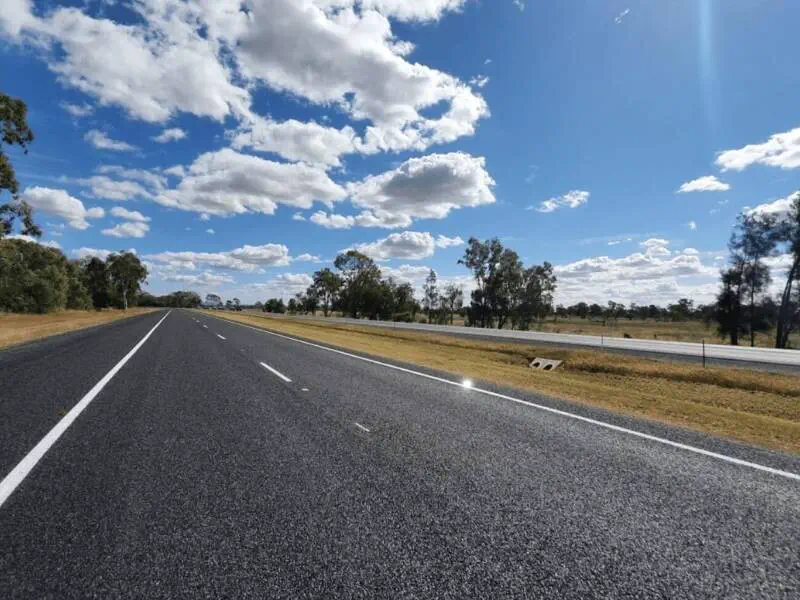
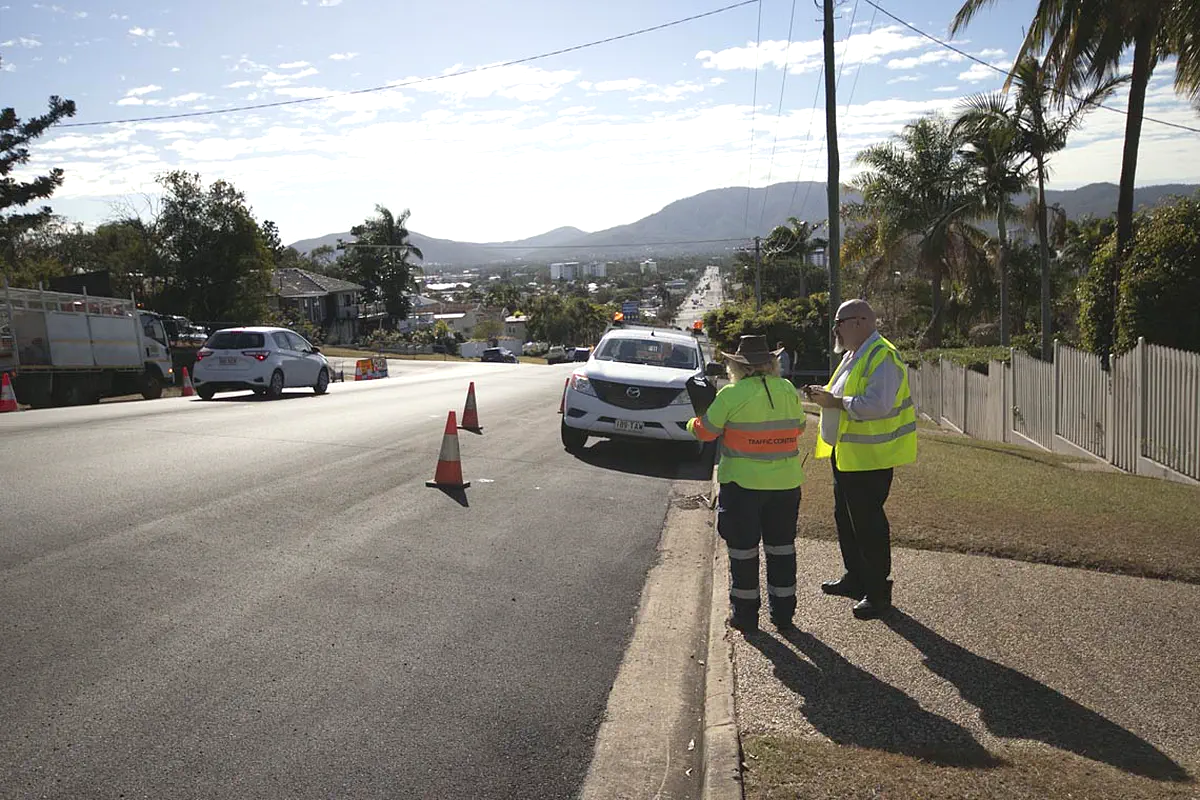
In short: East Coast Traffic Control outlines five challenges of temporary traffic control in remote regional areas: extreme weather, wildlife, distance from supplies, limited communication and tourism-season traffic surges. The post explains how its crews respond with tailored Traffic Plans, speed reduction and signage, First Aid and Snake Bite Kits, and long-range two-way radios.
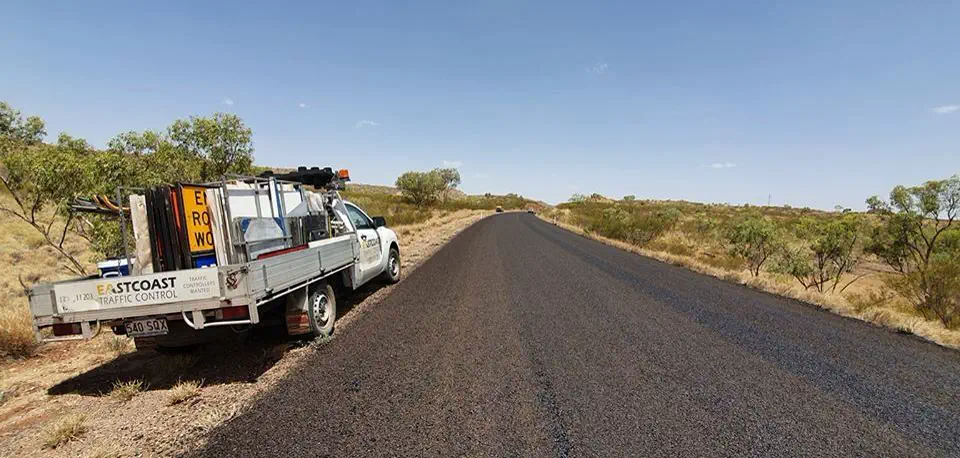
Conducting temporary traffic control in remote regional areas, both in summer and winter presents unique challenges. This requires careful planning and preparation to ensure the safety of both workers and motorists. Our experienced, skilled field crew has been trained to handle these challenges, which include:
- Extreme Weather Conditions: Remote areas often experience more drastic weather conditions, such as high temperatures, humidity, excessive rain, severe storms or cyclones, snow, and ice. To manage the risks, East Coast Traffic Control's traffic control personnel use strict process controls. We implement a quality tailored Traffic Plan to establish a safe layout of the traffic site with sufficient speed reduction and clearly visible signage to manage vehicle activity.
- Wildlife: Working in remote regions increases the likelihood of encountering wildlife, especially kangaroos. Our driving procedures reduce the risk of incidents, but it's always a potential risk to any driver. To address this, motorists should keep an eye on the peripheral landscape, monitor a safe speed, travel during daylight whenever possible, and be prepared to break if animals are near roads.
- Remote Locations: Remote regional areas are often far from supply centres and have limited access to critical resources, making it challenging to respond quickly to emergencies, access equipment, and maintain adequate supplies of materials needed for traffic control. To mitigate this, we ensure we take all equipment needed for the job with us and our crews are allocated medical supplies such as First Aid Kits and Snake Bite Kits for those eventualities.
- Limited Communication: Communication infrastructure can be limited or non-existent in remote areas, making it challenging to communicate with workers and manage traffic effectively. Our crews use high-tech long-range two-way radios to maintain communication across large roadwork sites that can stretch for many kilometres.
- Increased Traffic: During peak tourism seasons, remote areas may experience a surge in traffic, which can make it challenging to manage traffic flow with limited resources. Over our 30 years of experience, we have gained a strong understanding of the expected volumes of traffic at various times of the year and bolster our crews to suit needs.
In summary, conducting temporary traffic control in remote regional areas requires competent traffic control personnel, strict process controls, a quality tailored Traffic Plan, and proper communication infrastructure to ensure the safety of workers and drivers. Our clients can rely on us to provide the experience, crews and equipment to deliver great outcomes on regional and remote jobs.