
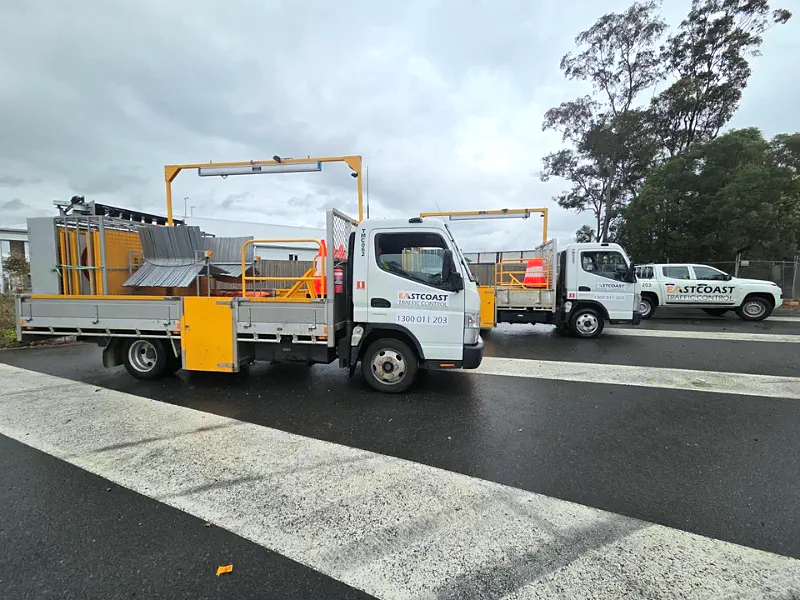
Traffic control services across Queensland and New South Wales
In short: East Coast Traffic Control provides traffic control across Queensland and New South Wales: accredited traffic controllers and TMIs, Traffic Management Plans and Traffic Guidance Schemes prepared in-house, permits lodged with TMR, councils and police, and our own fleet of utes, VMS trailers and TMA vehicles. Crews mobilise from 13 depots between Cairns and the Riverina, 24/7.
Services
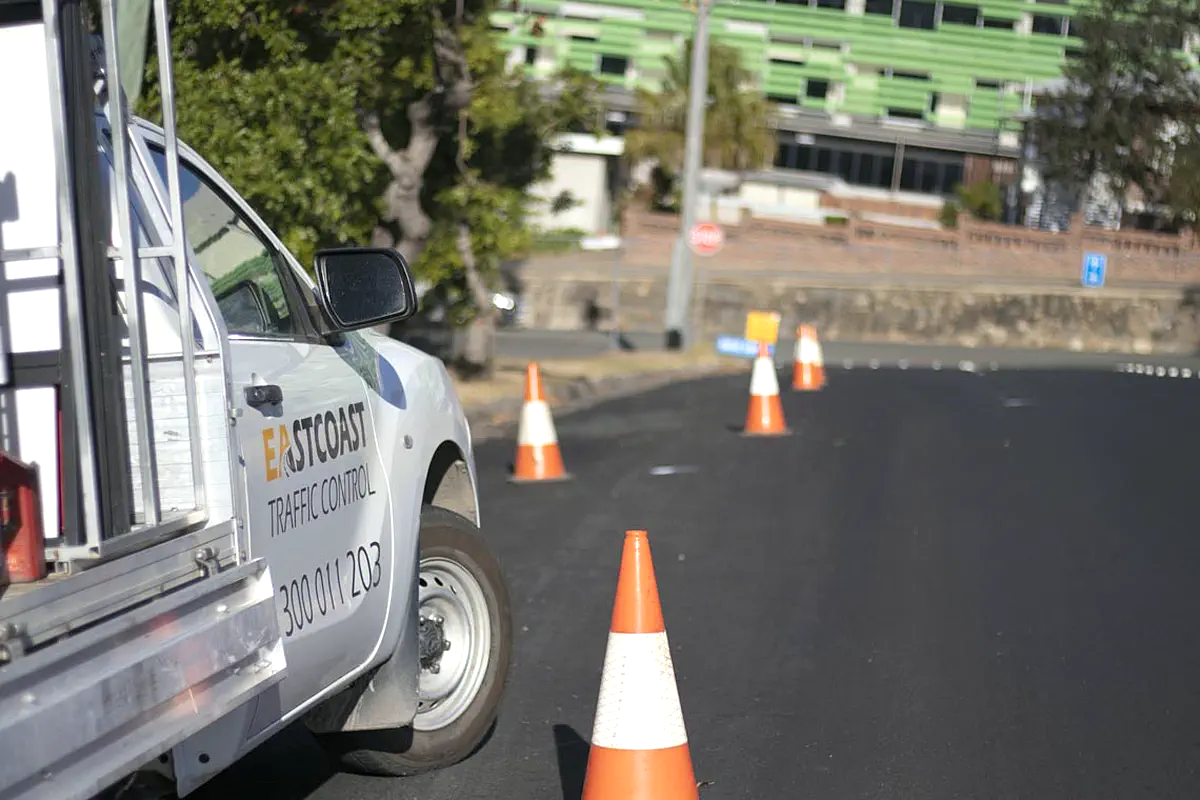 Roadworks and civilHighway upgrades, reseals, intersections, pipelines and subdivisions, with TGS and permits handled in-house.
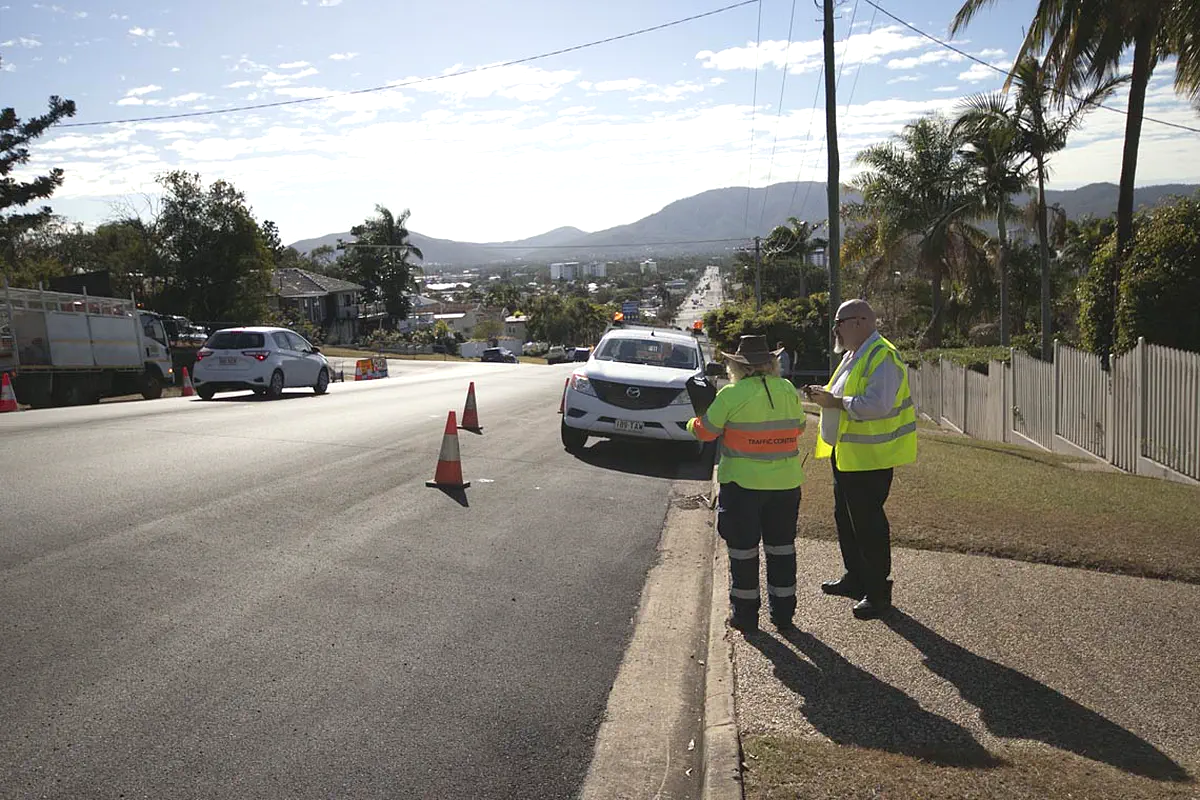 Councils and governmentReseal programs, maintenance, streetscapes and civic events. LGP, LGCA and Local Buy approved.
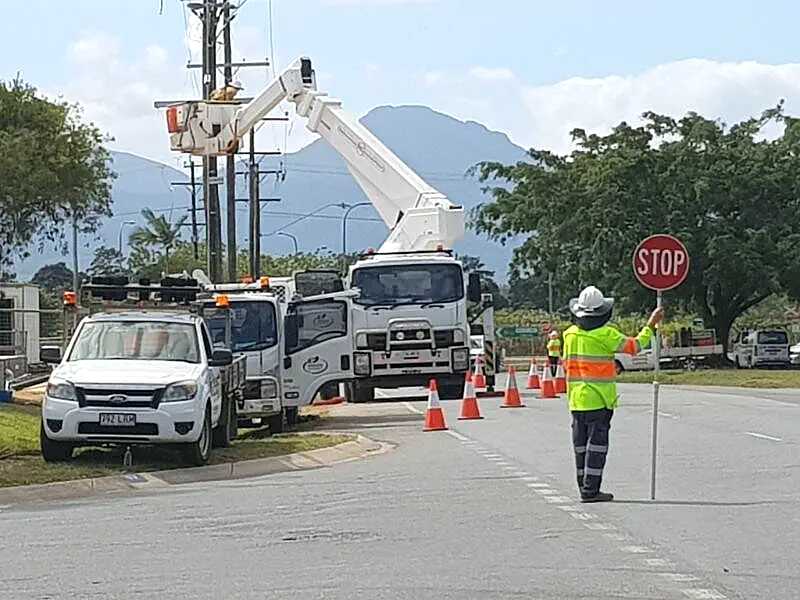 Utilities and energyPowerline works, water mains, telecommunications and renewable projects, reactive and planned.
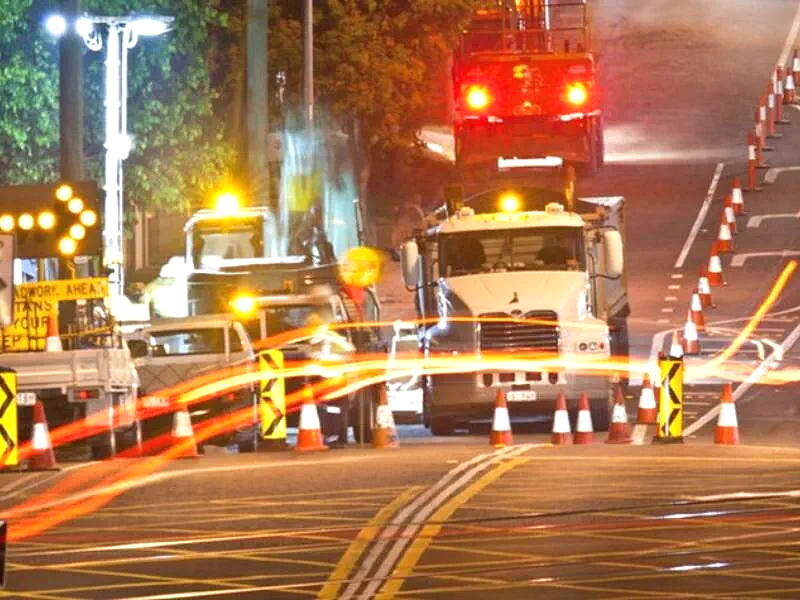 Night worksLighting, PTCDs, fatigue-managed crews and staging for after-dark closures and low-volume windows.
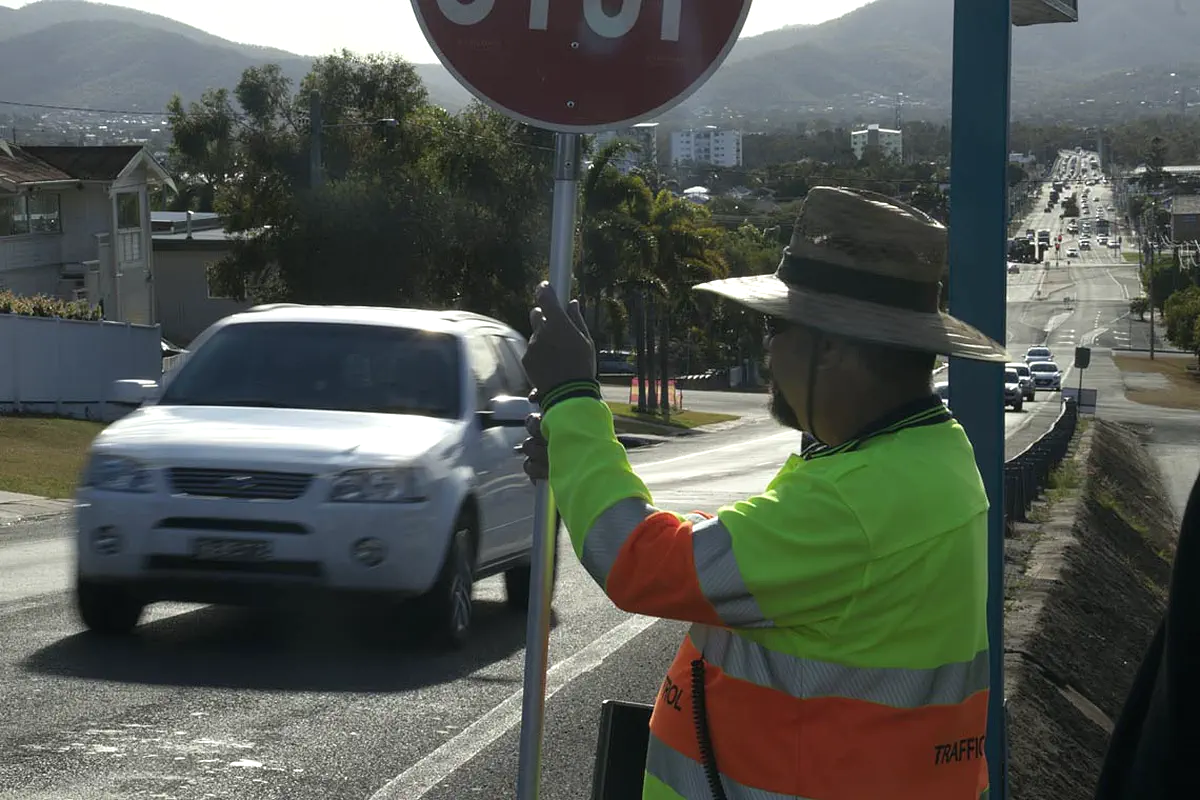 Traffic controller hireAccredited TCs and TMIs to implement your plan, by the shift or for the project, with vehicles and gear.
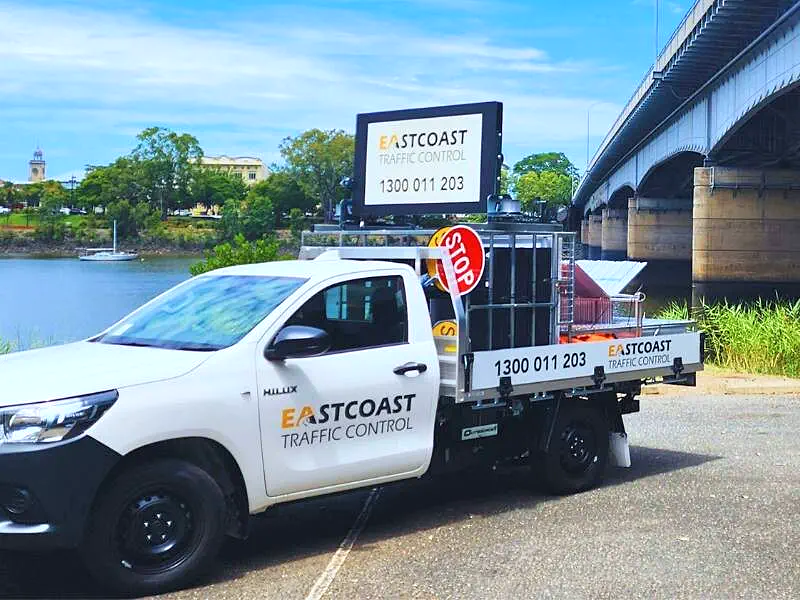 EventsConcerts, shows, parades and fun runs: event TMPs, closures, pedestrian crossings and crowd egress.
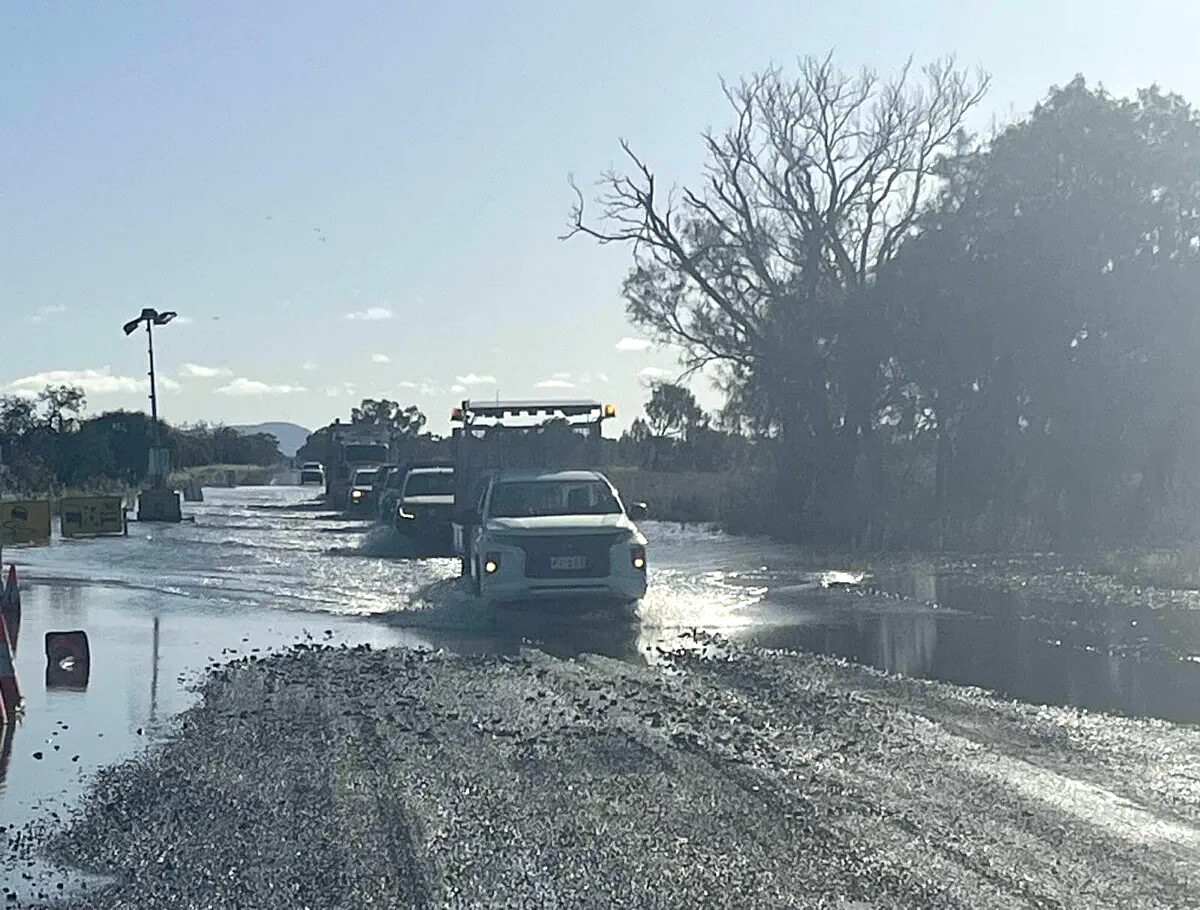 Emergency and disaster responseCyclones, floods and storm damage: closures, detours and access for recovery crews, 24/7.
Crews and planning
The two halves are crews and planning. Crews are accredited traffic controllers (TCs) who direct traffic, and Traffic Management Implementers (TMIs) who set out and supervise the scheme on the ground. Planning is the Traffic Management Plan (TMP) that describes how traffic, pedestrians and workers are managed across the job, and the Traffic Guidance Scheme (TGS), the scaled drawing showing each sign and device for a specific activity. Our Traffic Management Designers (TMDs) prepare both in-house, so the plan the authority approves is the plan the crew sets out.
Traffic control to TMR requirements in Queensland
On Queensland roads the rules come from the Department of Transport and Main Roads (TMR). Temporary traffic management follows the Manual of Uniform Traffic Control Devices (MUTCD) Part 3, Works on Roads, which sets out how AS 1742.3 applies in Queensland, and the Queensland Guide to Temporary Traffic Management (QGTTM), TMR's adoption of the Austroads guide. Work on a state-controlled road needs a permit from the TMR district before it starts; work on a council road needs the council's works-on-road approval.
Our Queensland crews hold Queensland accreditation. TGS drawings reference the posted speed, sign spacing follows the current edition, and where a job varies from a requirement we document the risk assessment the way TMR expects. Read more in our guide to MUTCD Part 3 in Queensland.
Traffic control to TfNSW requirements in New South Wales
In New South Wales, Transport for NSW (TfNSW) publishes the Traffic Control at Work Sites (TCAWS) standard, TS 05492:1.0 since June 2026, which applies to temporary traffic management on all public roads in NSW. NSW runs its own accreditation scheme for controllers, implementers and plan preparers; a Queensland ticket is not valid in NSW and we never treat it as if it were.
Our NSW depots at Coffs Harbour, Dubbo, Young, Wagga Wagga and Tumbarumba run NSW-accredited crews, and our designers prepare TMPs to the TfNSW framework. See TfNSW traffic control at work sites for how the manual works and what it asks of you.
How we run a traffic control job
Scope
You tell us location, works, hours and layout. The Area Manager confirms coverage, crew size and whether a TMP, TGS or permit is needed.
Plan and permit
Our TMDs draw the TGS and write the TMP. We lodge with TMR, the council, Queensland Police or TransLink as the job requires and track the approval.
Mobilise
The depot checks and loads vehicles, signage, VMS trailers, PTCDs and lighting. Crews are briefed on the plan, the site and the client's conditions.
Set out and run
Crew on site early, pre-start, staged setup from advance warning signs to the control point. The TMI monitors, adjusts and keeps the paperwork.
Scope my traffic control in three steps
The fastest way to a priced job is the scoping form below. It asks for the three things an estimator needs before anything else: where the works are, what the works are, and how the road will be affected.
Common questions
Is ECTC a TMR approved traffic control company?
We prepare and run traffic control to TMR requirements: plans follow MUTCD Part 3 and the QGTTM, and our crews are Queensland accredited. Approval on any given job is for the plan and the permit, which the TMR district issues after our designers lodge it. For a tender or prequalification, ask us for the documents you need.
Do you work on both TMR roads and council roads?
Yes. State-controlled roads need a TMR permit and a plan to TMR standards; council roads need the council's works-on-road approval, which can take anywhere from five to 28 business days depending on the council. We lodge both and tell you the lead time up front so the start date holds.
Can I hire controllers only, without a plan from you?
Yes. If you already hold an approved TMP and TGS, book accredited TCs and TMIs through the traffic controller hire page and we implement your scheme. We will tell you if the scheme does not match the site, because the TMI on the ground carries that responsibility.
How much notice do you need?
For crews only on an existing plan, from the nearest depot once we confirm crew availability. For a new TMP or TGS, allow time for design plus the road authority's turnaround: TMR permits are typically around ten business days, councils vary. Tell us the start date and we work backwards from it.
What is the difference between a TMP and a TGS?
A Traffic Management Plan is the document covering the whole job: scope, phases, risks, roles, contingencies and communication with the road authority. A Traffic Guidance Scheme is the scaled drawing for one activity showing every sign and device. Small council jobs often need only a TGS; larger and state road jobs need both.
Need crews on site?
Send the job and your local Area Manager takes it from there, day or night.